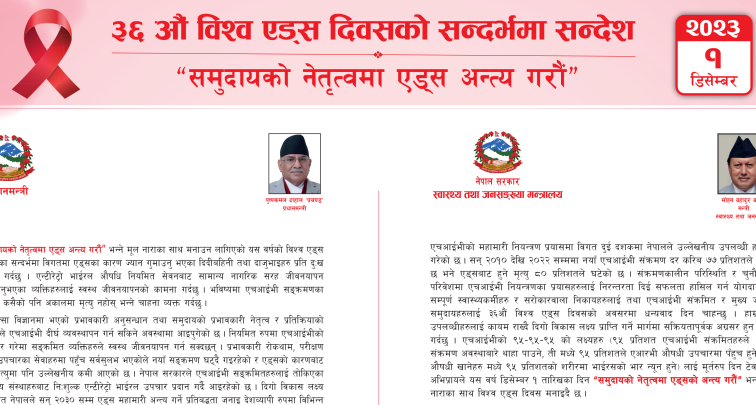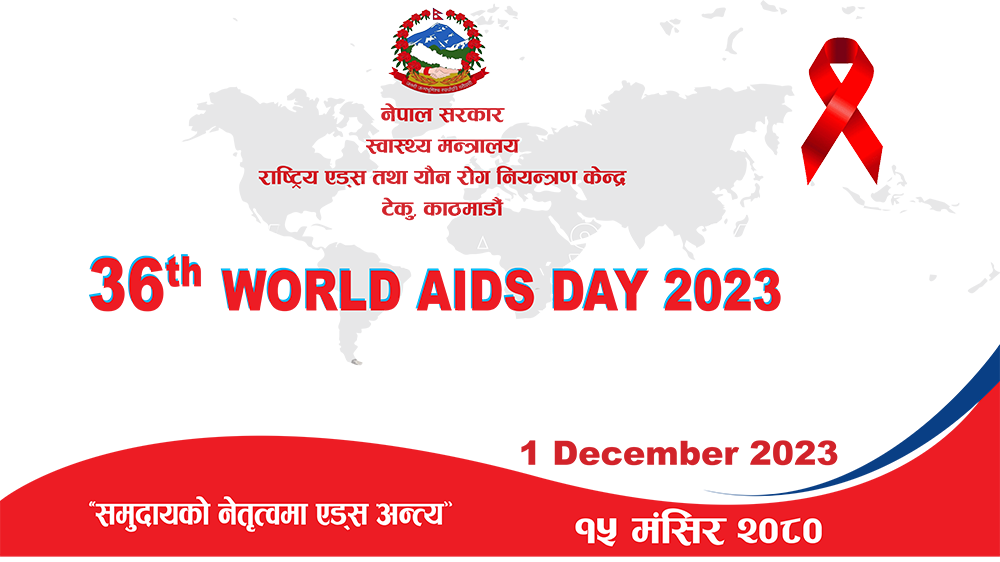
"Getting to Zero - Zero New HIV Infections. Zero Discrimination and Zero AIDS Related Deaths World AIDS Day 2011 (1 December 2011)

Strategic Components

  1. PREVENTION
    Objective
    By 2011, HIV program coverage will be 70 - 80% among the MARPs and reduction of new HIV infection amonggeneralpopulations.
    StrategicOutcomes
    • Improvedknowledge and safe behaviouralpracticesofalltargetgroups(safersexpractices and safer injectingpractices)
    • Increasedavailability and access to appropriate and differentiated prevention services
    • Increased acceptance of HIV and AIDS and enhance non-discriminatory practices affecting marginalized and most at risk populations
    • Reduced risk and vulnerability to HIV infection of all target populations
    Strategies towards these outcomes
    • Expansion of Strategic Behavioural Communication
    • Expansion of Comprehensive Programme for risk and harm reduction
    • Facilitate and Expand Interventions for safe migration and mobility
    • Strengthen management and control of STIs
    • Expand Voluntary Counselling and Testing (VCT)
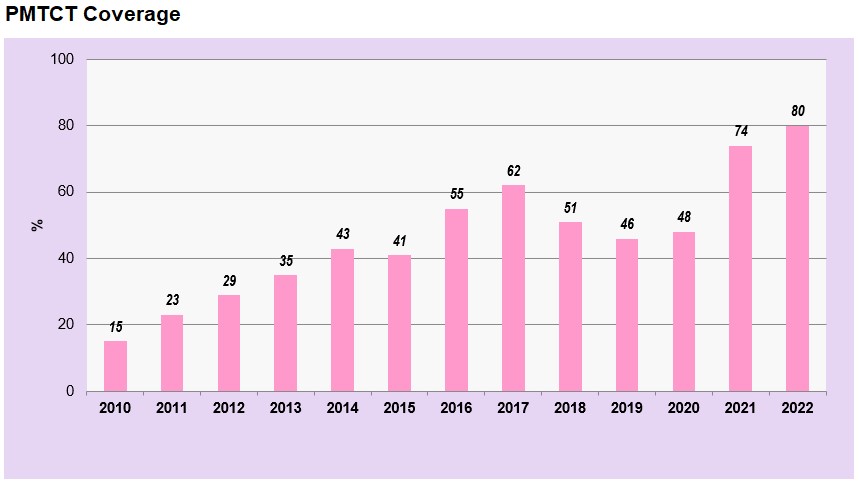
    • Expand and Strengthen Prevention of Mother to Child Transmission Program
    • Expand the prevention of transmission in health care delivery settings
    • Develop and implement workplace policy and programs
    • Prevention among people living with HIV and AIDS (Positive Prevention)

  2. TREATMENT CARE AND SUPPORT
    Objective
    By 2011, ensure universal access to quality treatment, diagnostics, care and support services for infected, affected and vulnerable groups in Nepal within a context of a comprehensiveresponse toHIV and AIDS

    Strategic Outcomes
    • Increased national capacity to provide quality diagnostic, treatment and care services
    • Increased availability of appropriate and differentiated care and support services to infected, affected and vulnerable population
    • Increased involvement of private sectors, civil societies, communities and family for treatment, care and support to the infected, affected and vulnerable groups
    • Increased importance of the role of support groups of infected, affected and vulnerable people in treatment, care and support
    • Established and monitored continuum of prevention to treatment, care and support
    • Established standardised clinical care, ART, OIs and PEP services both in the public andthe private sectors.
    • Established impact mitigation strategies and programmes in place, adequately resourced and accessed equitably by the infected, affected and vulnerable groups
    Strategies towards these outcomes
    • Increaseaccesstoquality treatment,diagnostics, care and support for ART, STI and OI.
    • Stigma and discrimination reduction.
    • Community and Home Based Care
    • Paediatric Care (Including Orphan and vulnerable children)
    • Impact mitigation programme
    • Prevention and clinical management of OIs and HIV/AIDS related illness
    • Expansion of Antiretroviral therapies
    • Management of HIV related co-infections

    Cross cutting components

  3. ADVOCACY, POLICY AND LEGAL REFORM
    Objective
    By 2011, comprehensive and well implemented legal framework on HIV/AIDS promoting human rights and establishing HIV/AIDS as a development agenda

    Strategic Outcomes
    • HIV/AIDS prioritized as national development agenda and included in 11th Five year plan as P1 program under social sector.
    • Rights of infected, affected and vulnerable groups insured through effective legislative framework.
    • Networks of PLWH and MARPs operational
    • HIV/AIDS response decentralized and coordinated.
    • Multi-sectoral response to HIV/AIDS strengthened and expanded

    Strategies towards these outcomes
    • Establish HIV/AIDS as a development agenda
    • Ensuring the rights of the infected, affected and vulnerable groups.

  4. LEADERSHIP AND MANAGEMENT
    Objective
    Enhanced leadership and management at national and local levels for effective response to HIV/ AIDS

    Strategies towards these outcomes
    • Operationalise three ones principle
    • Promote multisectoral and decentralised response to HIV/AIDS
    • National capacities for expanded response strengthened.

  5. STRATEGIC INFORMATION (SURVEILLANCE, Monitoring and Evaluation)
    Objective
    Strategic information to guide an effective response improved and used for planning and
    implementation

    Strategies towards these outcomes
    • One Monitoring and Evaluation system in place and operational
    • Second Generation Surveillance System strengthened
    • Strategic Information System created and functional
    • Operational Research carried out to inform gaps in the response

  6. FINANCE AND RESOURCE MOBILISATION
    Objective
    By 2011 Sustainable inancing and effective utilization of funds
    Strategies towards these outcomes

    • Accelerate resource mobilisation within the country and outside.
    • Develop and implement multisectoral policy
    • Establish a semi-autonomous body, with a lexible inancial management system andrules.
    • Establish simpliied, eficient and transparent inancial system

Publication

Published Jointly by NCASC and UNAIDS. Contains key advocacy gaps and issues; advocacy plan framework; monitoring and evaluation of the national advocacy plan.